
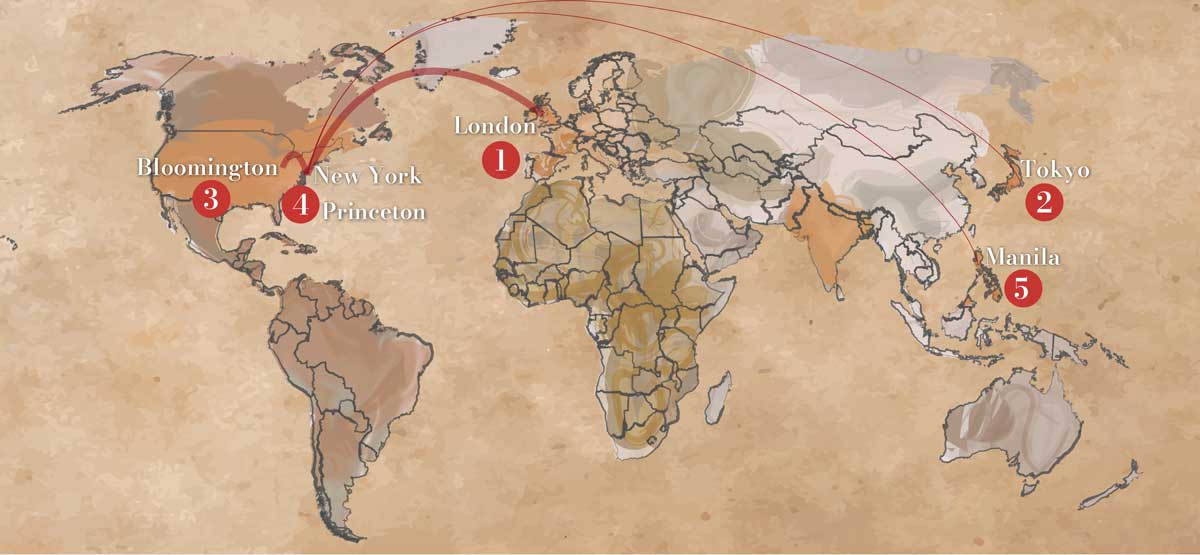
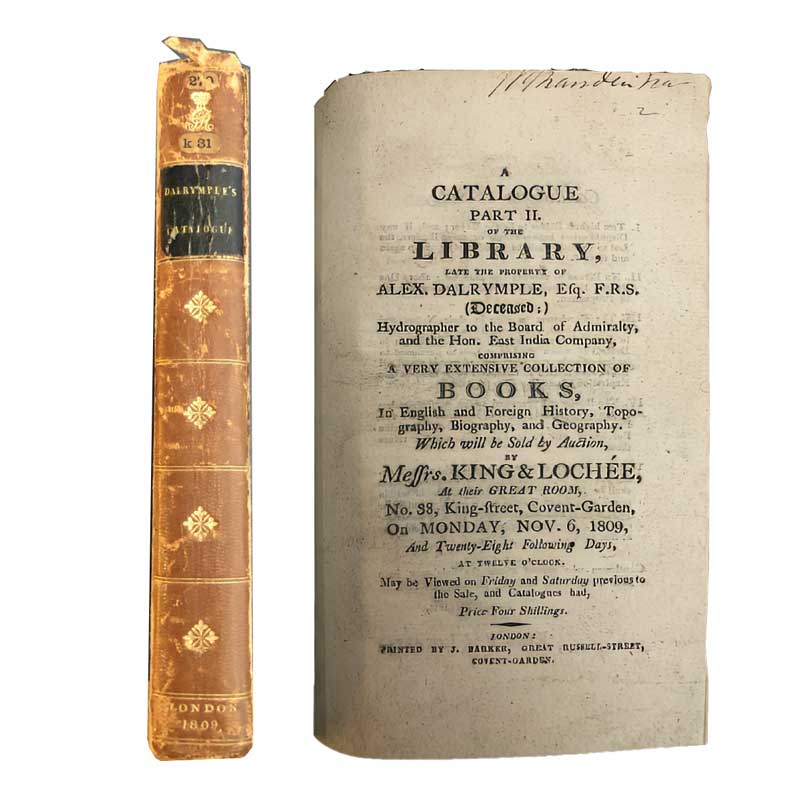
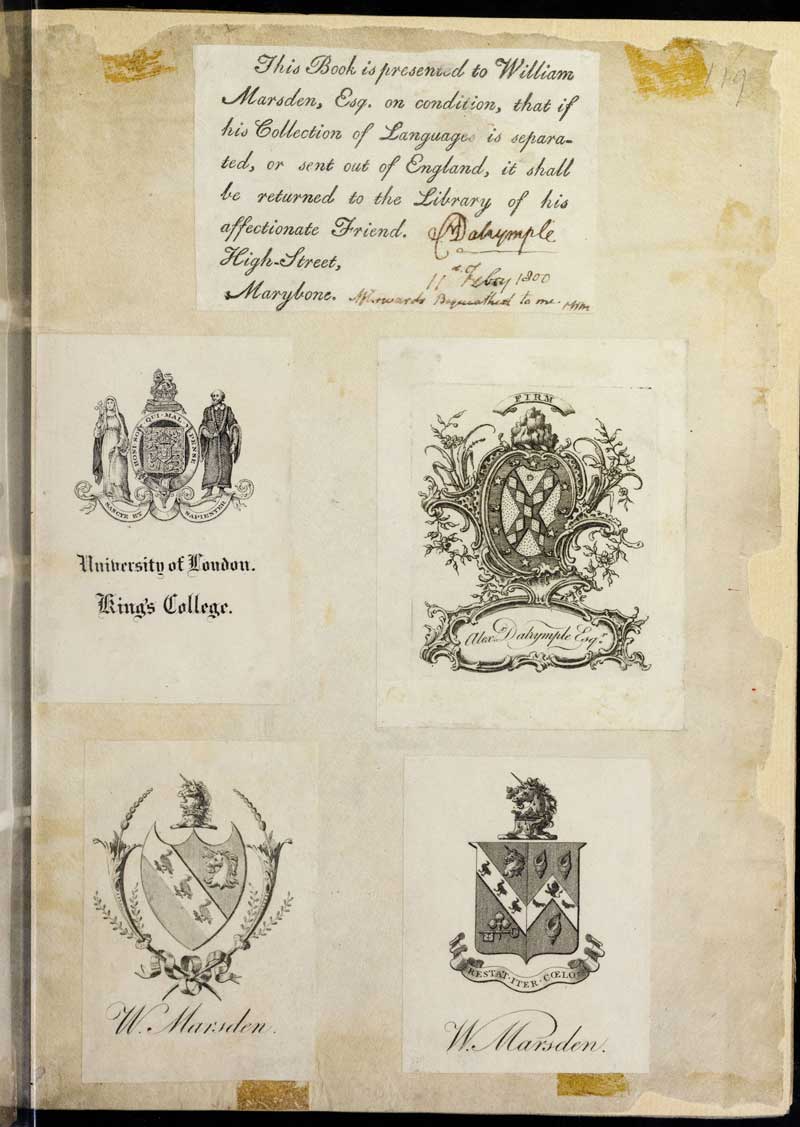
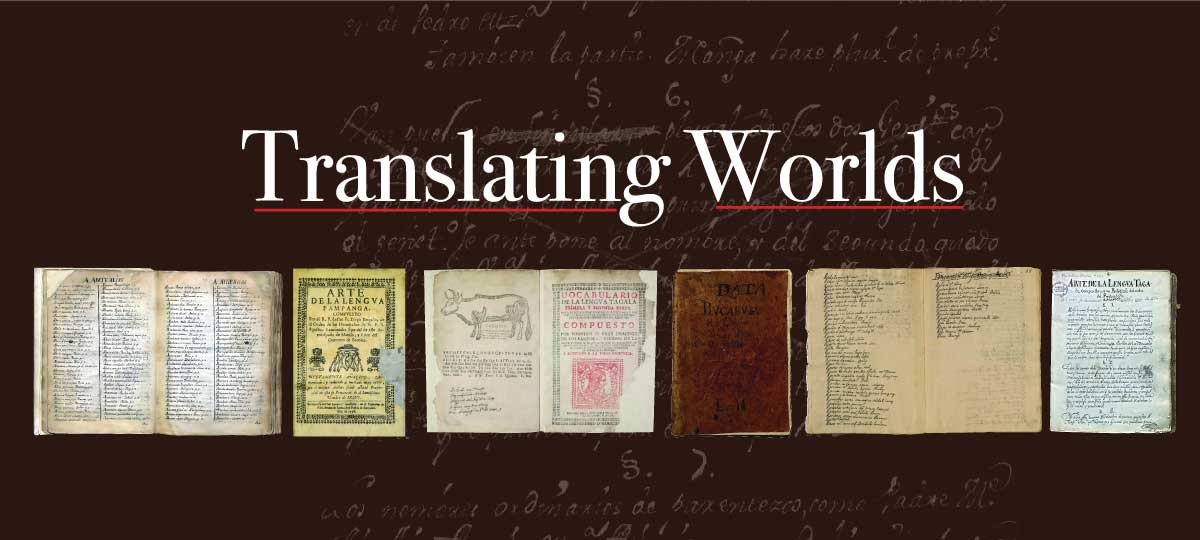
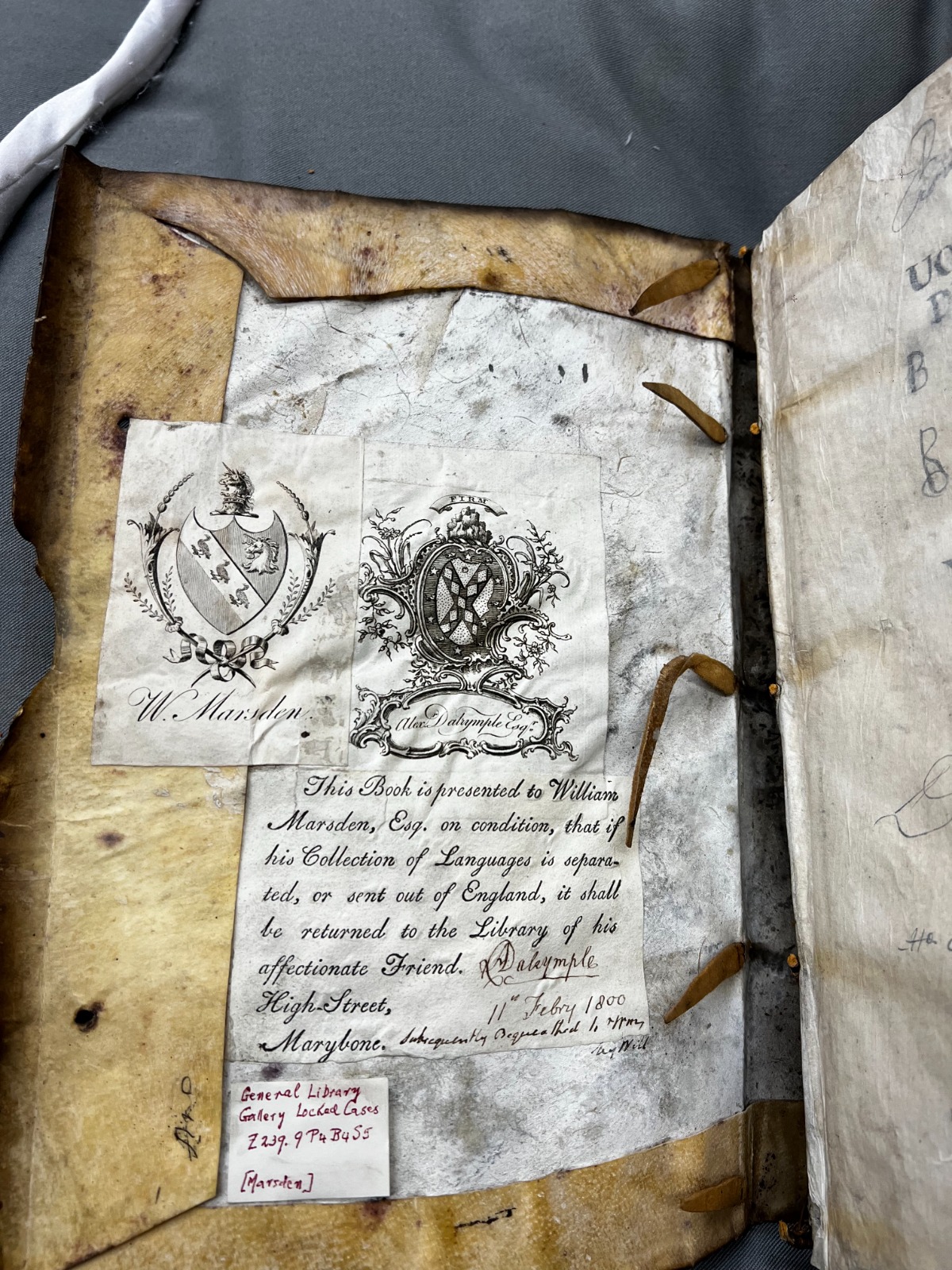
 The Foyle Special Collections Library at King’s College London holds seven grammars and lexicons of Philippine languages, originally acquired in Manila by Alexander Dalrymple during the British occupation. Comprising four manuscripts (two unpublished) and annotated printed editions, these works were later lent and bequeathed to William Marsden, a pioneering orientalist and linguist. A printed label pasted over Dalrymple’s bookplate reads, “Afterwards bequeathed to me,” confirming the transfer. In 1835, Marsden donated his entire library—including these grammars and lexicons—to the newly founded King’s College London.
SOAS University of London was founded in 1916 to advance British scholarship and administrative knowledge of Asia and Africa. In the early 1920s, key parts of William Marsden’s King’s College manuscript collection were transferred to the newly established school. Among these are three early works on Philippine languages: a Vocabulario by Alonso Méntrida; Arte de la Lengua Tagala, a Tagalog grammar and vocabulary dated circa 1636; and Arte de la Lengua Pampanga, a grammar of the Kapampangan language.
The British Library holds materials linked to the British occupation of Manila, including East India Company papers and royal charts. Only one item can be definitively traced to the San Agustin Monastery: the Libros de Consultas (1751–1761), the chapter book of the Convent of San Pablo. A note by Captain Hyde Parker confirms that it was taken during the British capture of Manila and later acquired by Alexander Dalrymple.
 The only unlocated manuscripts from the 1966 Sotheby’s auction of the Dalrymple-Phillipps collection are Lots 517 and 518, containing texts on Japanese Christian missions and martyrdoms, including those related to Fr. Hernando de San José.
These were purchased by Shigeo Sorimachi (1901–1991), a Tokyo-based rare book dealer who ran the mail-order bookstore Kobunso. While their current whereabouts are unknown, some evidence points to the Kirishitan Bunko Library at Sophia University.
 Alexander Dalrymple’s “Manuscripts Taken from Manilla” lot, sold at auction in 1809. The collection remained largely intact through six subsequent auctions and estate transfers, including the libraries of Richard Heber, Thomas Thorpe, and Sir Thomas Phillipps.
In 1966, nearly all the remaining individual lots were sold at Sotheby’s to Bernardo Mendel of Lathrop C. Harper, and were acquired by the Lilly Library on May 28, 1968. Historian Charles Boxer played a role in the acquisition and was later responsible for cataloguing the manuscripts.
 While Princeton University Library holds no physical copies of the 1762 materials, it serves as the primary digital repository for their IIIF-compliant digital facsimiles and manifests. Through the generosity of the institution, Princeton’s Digital PUL (DPUL) platform is hosting — in perpetuity—all digitised 1762 materials from Kings College, the British Library, SOAS, the Lopez Library, and San Agustin.
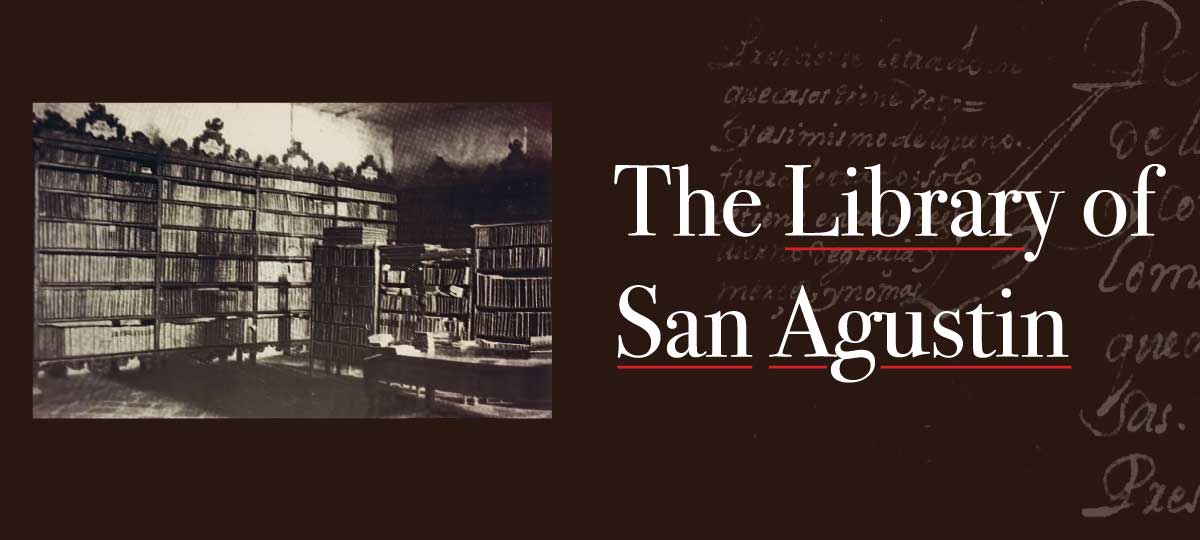
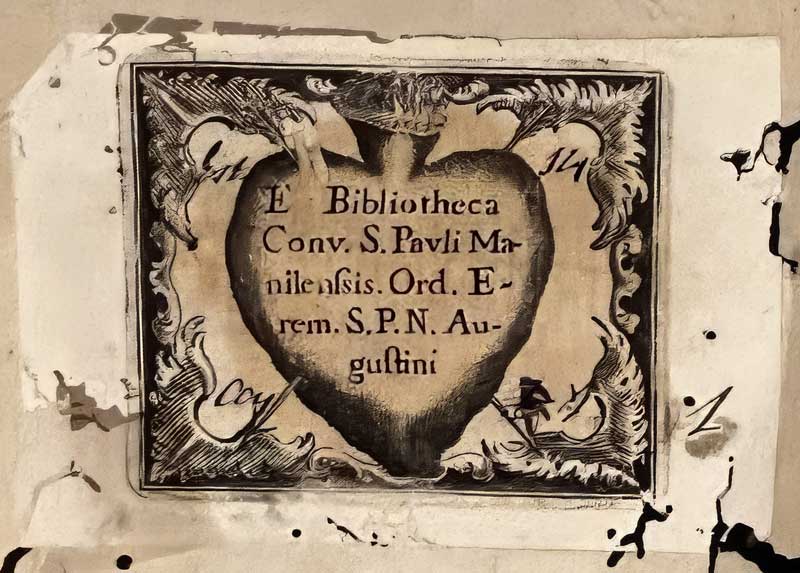
 In June 2022, as part of the 1762 Archive Project, Christina Lee and Cristina Juan visited San Agustin Museum to search for materials that may have survived the British looting. Despite accounts claiming the library had been completely emptied, a search of the convent’s storage uncovered 61 volumes, many bearing pre-1762 markings such as Archbishop Rojo’s bookplates and signatures from Augustinian friars. Several titles matched entries in the Inventarium of 1762—the monastery’s catalogue, whose final entry is dated May 1762.
In 1966, Eugenio López acquired Sotheby’s Lot No. 525 through H.P. Kraus of New York. This lot, originally part of Alexander Dalrymple’s library contain Spanish royal and local decrees addressed to the governors of the Philippines between 1663 and 1752. Uncatalogued since 1966, they were rediscovered in the Lopez Library in 2023 through the 1762 project and are now, through the generousity of the Lopez Library, fully digitized and accessible online.
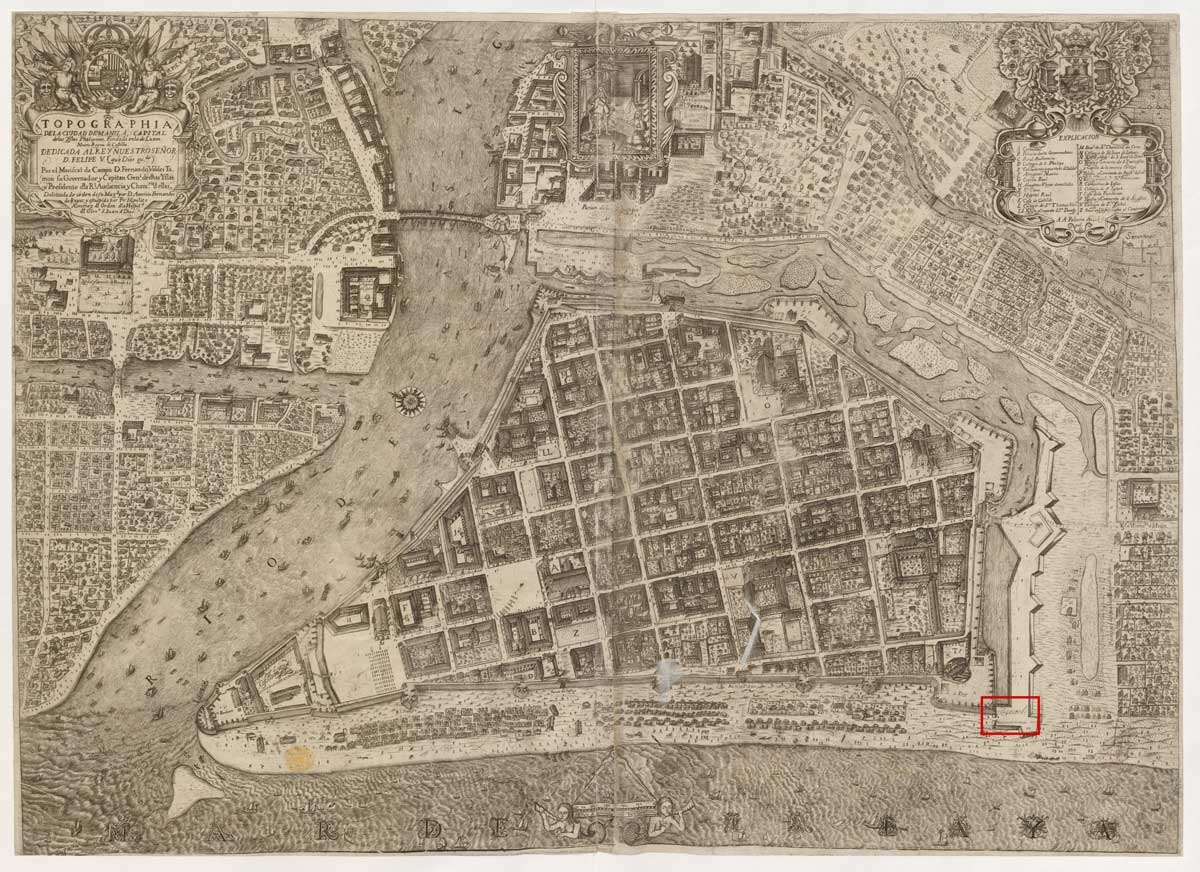
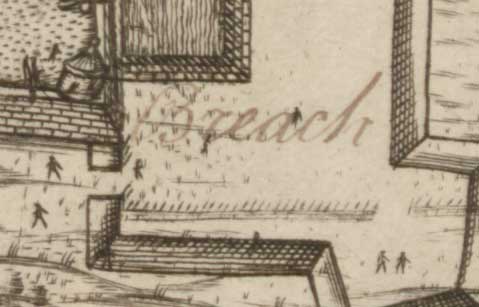
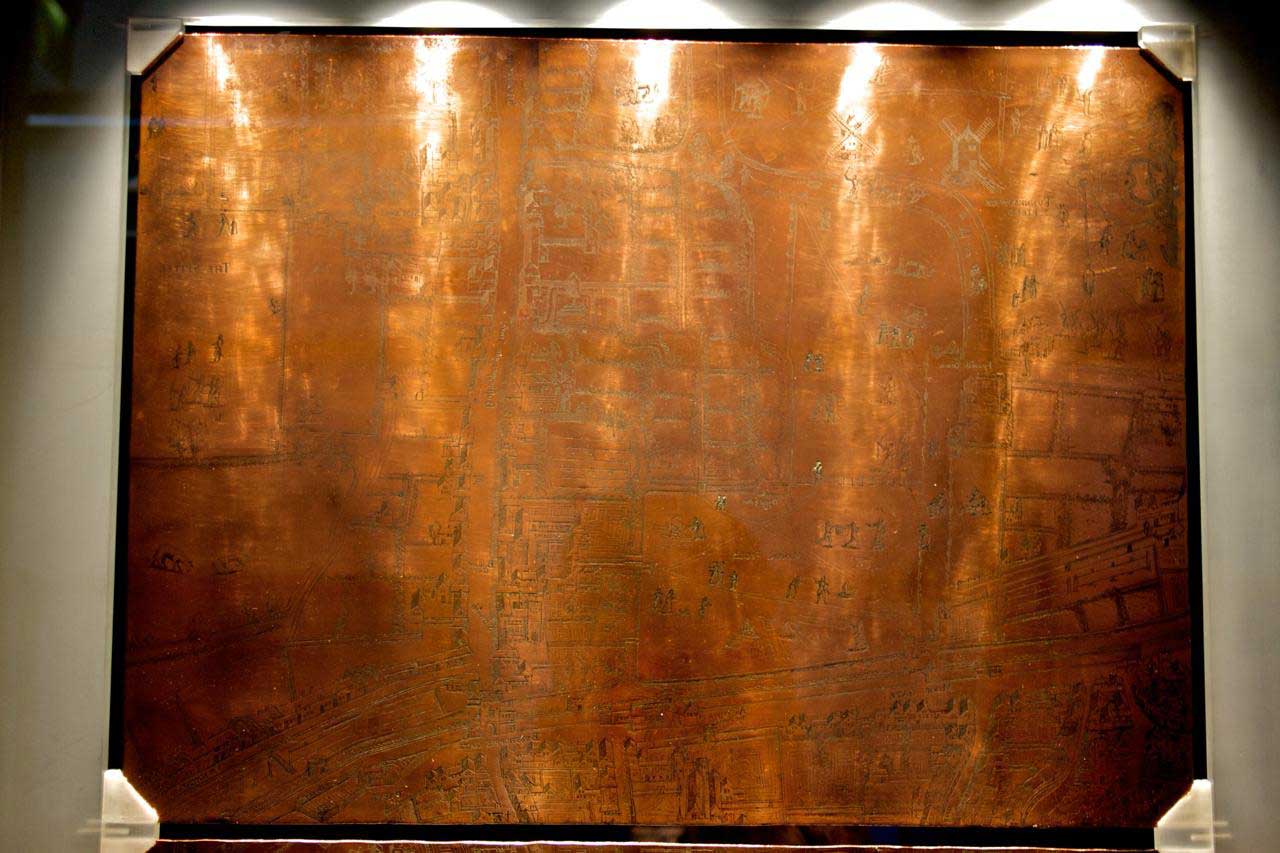
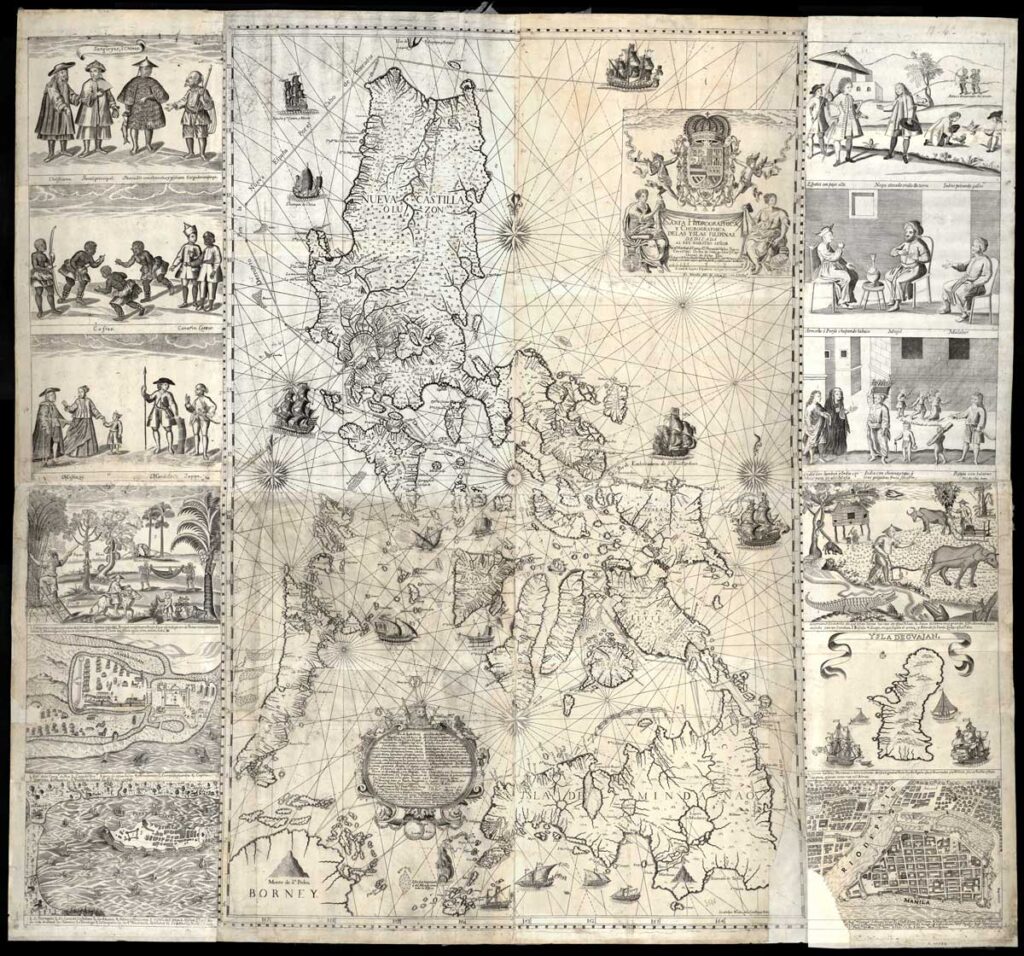
This low-relief 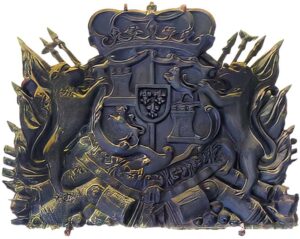 sculpture shows the Spanish coat of arms and was placed above a door or gate to symbolize power and imperial authority. The British brought it to Madras as a war trophy along with Spanish cannons and artillery. It is now kept at the Government Museum in Chennai. Museum records indicate that the escudo was “taken from the gates of Manila during the expedition in 1762 when the town was captured by Madras troops.” Read more…
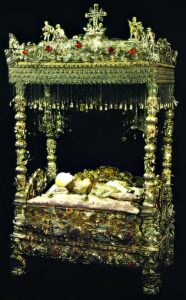
This reclining ivory image of the Christ Child was taken to England by General William Draper after the British occupation of Manila. Using prize money from the campaign, Draper built a home in Bristol called “Manilla Hall,” where the sculpture was displayed. The piece later reappeared at Christie’s auction in London in 1981 and was eventually acquired and returned to the Philippines by the Bangko Sentral ng Pilipinas.
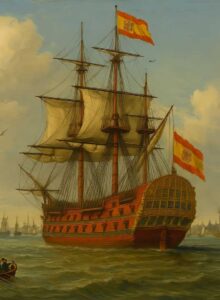 In 1762, the Manila galleon Santísima Trinidad was captured by the British en route to Acapulco, carrying a cargo worth over £100 million today. Captain Hyde Parker, who led the seizure, used his share — a prize of 30,000 guineas (about £5 million today) of the spoils to buy Melford Hall in Suffolk — and brought back treasures like fine Chinese ceramics and religious items.
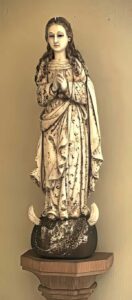
This ivory figure of the Madonna is believed to have been part of the cargo of the Santísima Trinidad, a Manila galleon seized by British forces during the occupation of Manila in 1762. The ship, diverted to Madras and later brought to England in 1765, carried a range of goods including religious images, textiles, and silver. The Madonna’s presence at Melford Hall is linked to the Hyde Parker family, whose archives document the arrival of items from the captured galleon. Read more…
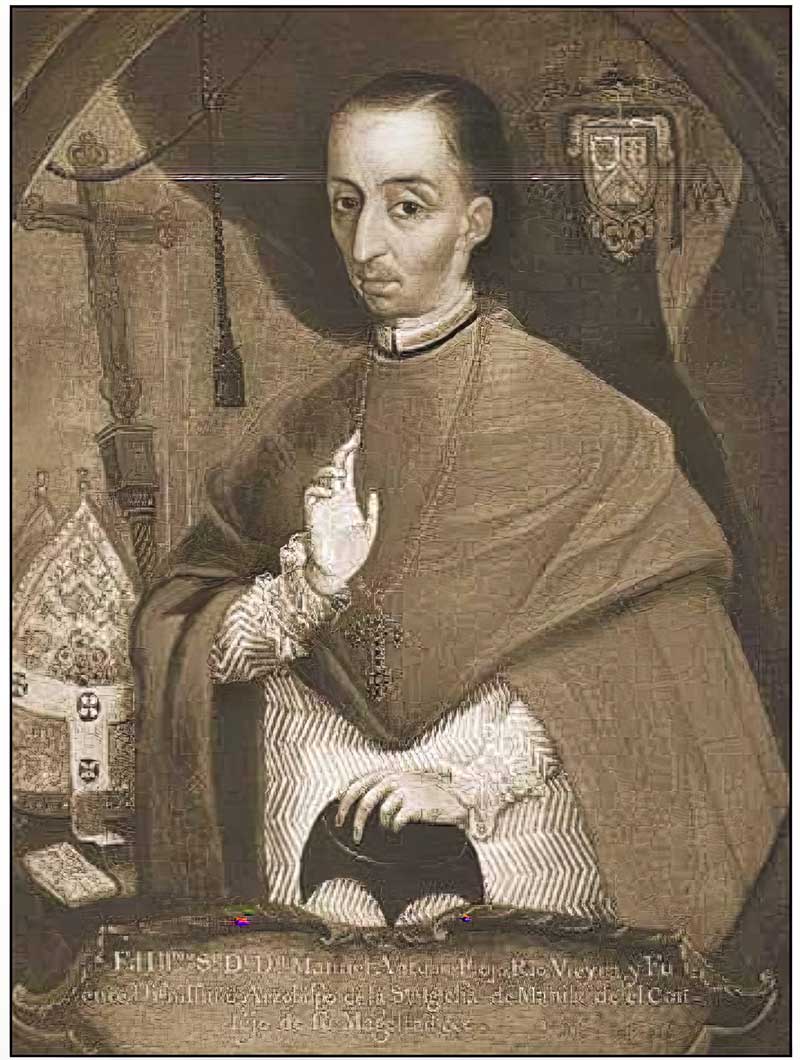
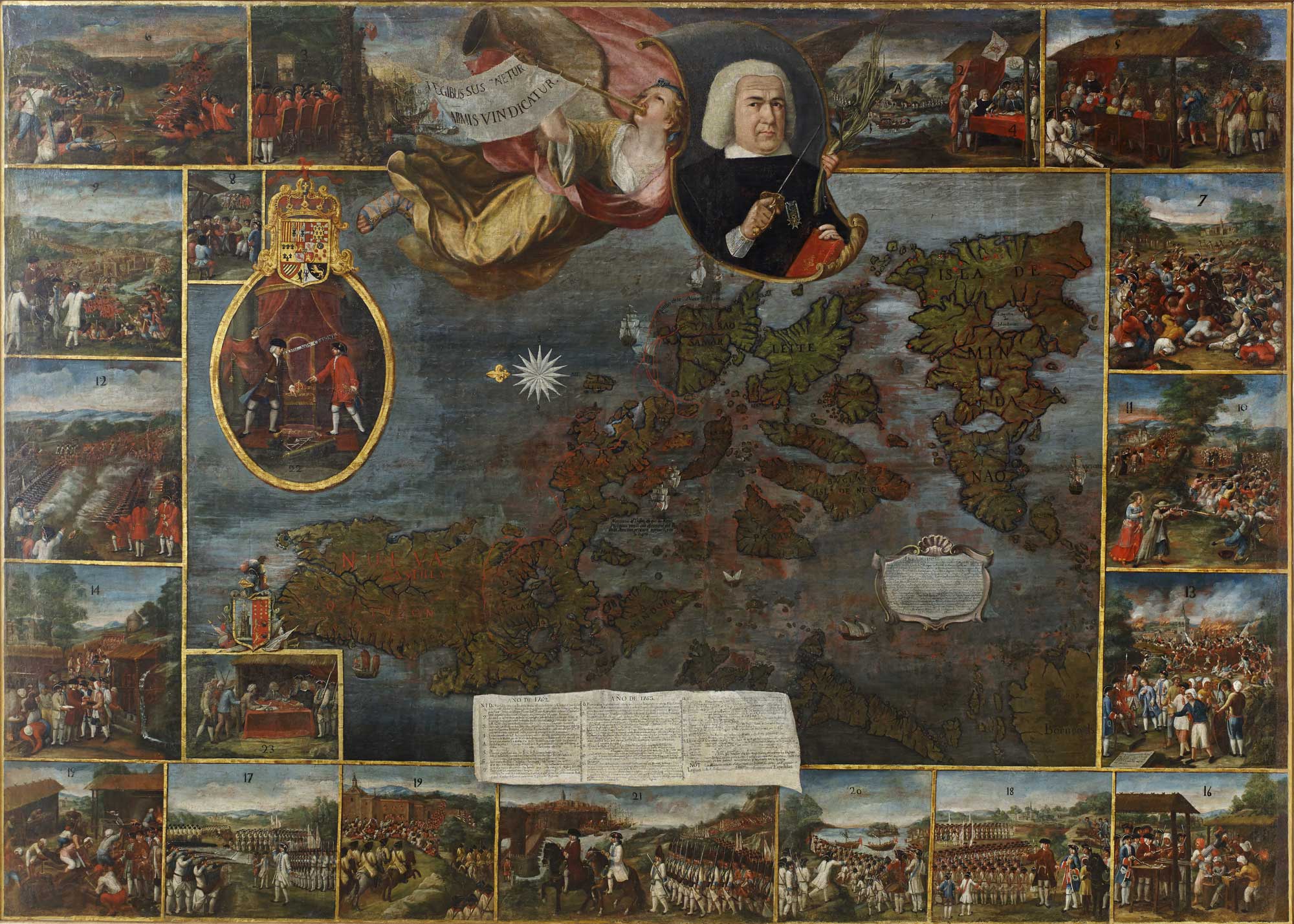
Appointed Archbishop of Manila in 1759, Rojo unexpectedly became acting Governor-General just before the British invaded in 1762. His cautious leadership during the siege and surrender of Manila drew sharp criticism from Spanish authorities and religious peers, casting a long shadow over his legacy.
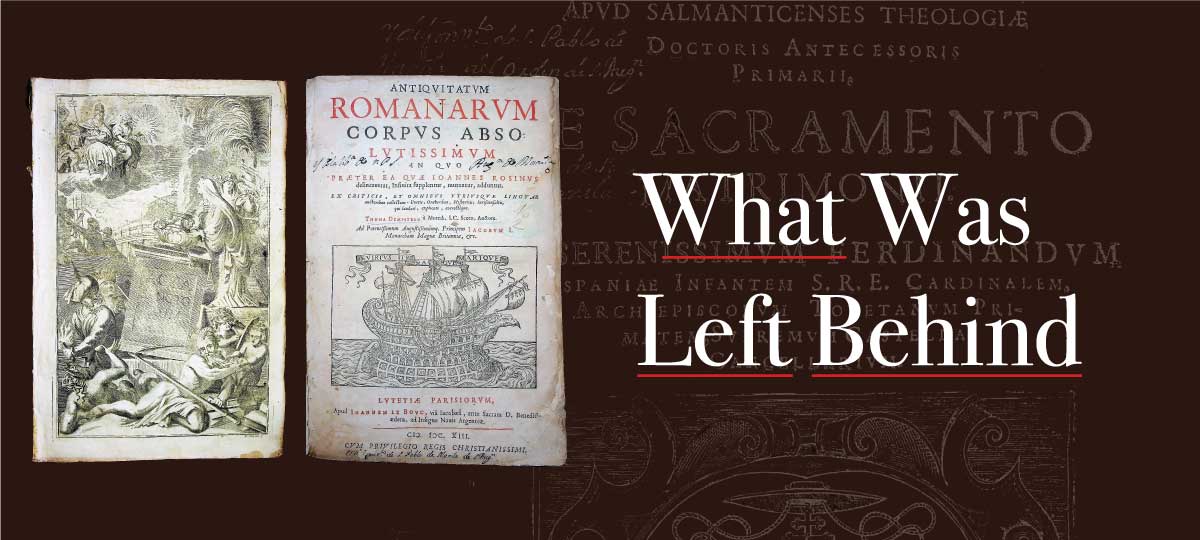
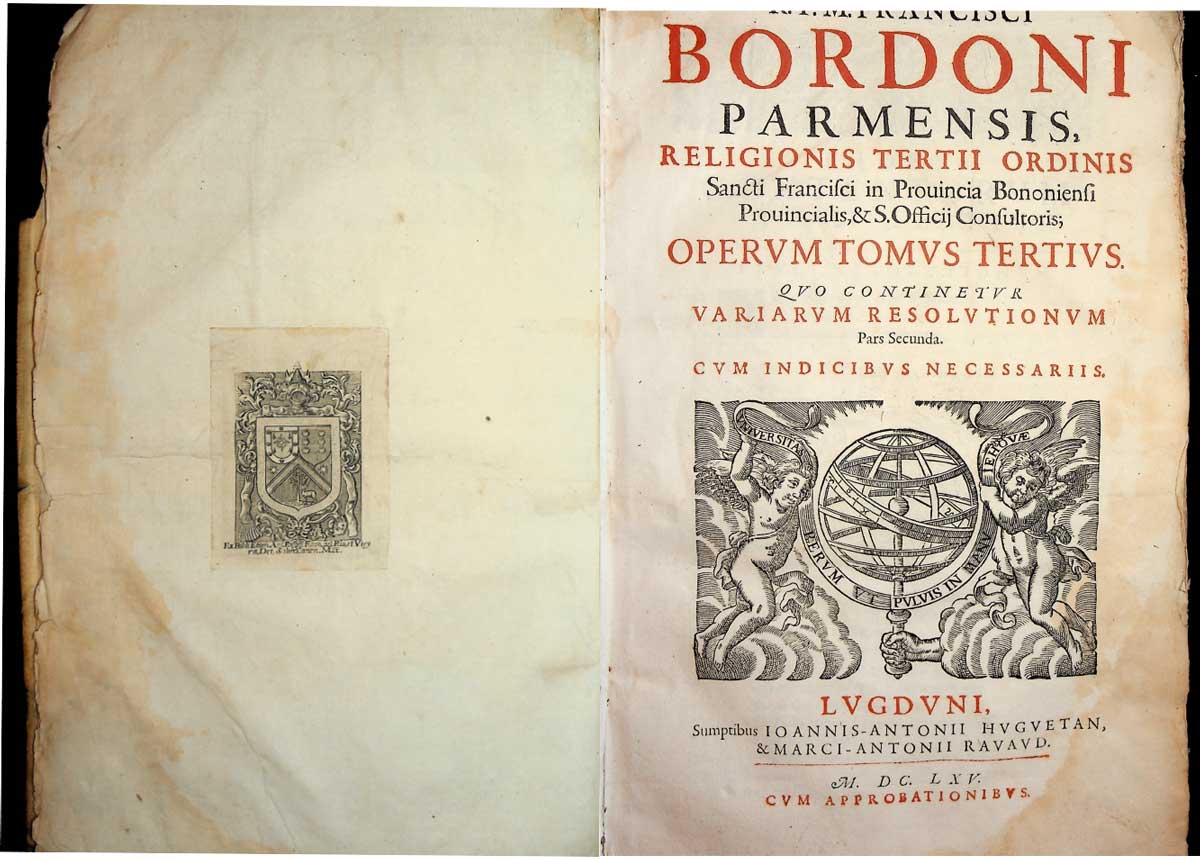
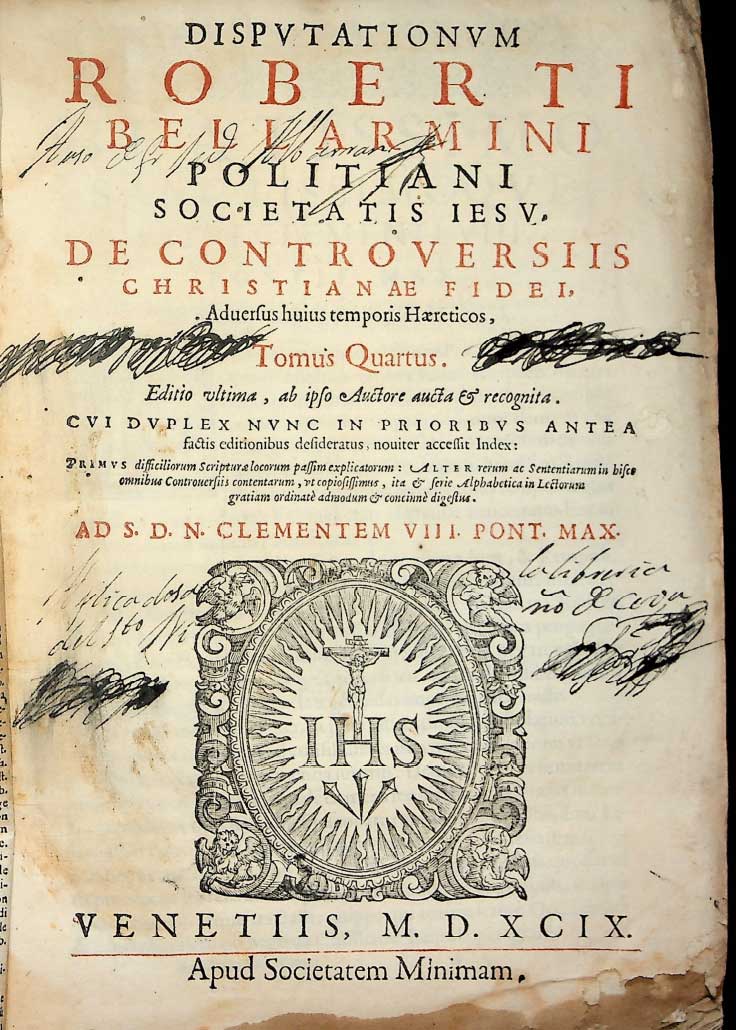
This volume bears Rojo’s personal bookplate—one of four Latin books in the 1762 San Agustín collection linked to him. Though often mocked for his Latin correspondence with British officers like Draper and Cornish, the presence of these volumes is a reminder of how central the language was to his intellectual and administrative life.
Miguel Cabrera. Portrait of Manuel Antonio Rojo del Rio Lubin y Vieyra. Andrés Siegel Collection. México. 18th century.
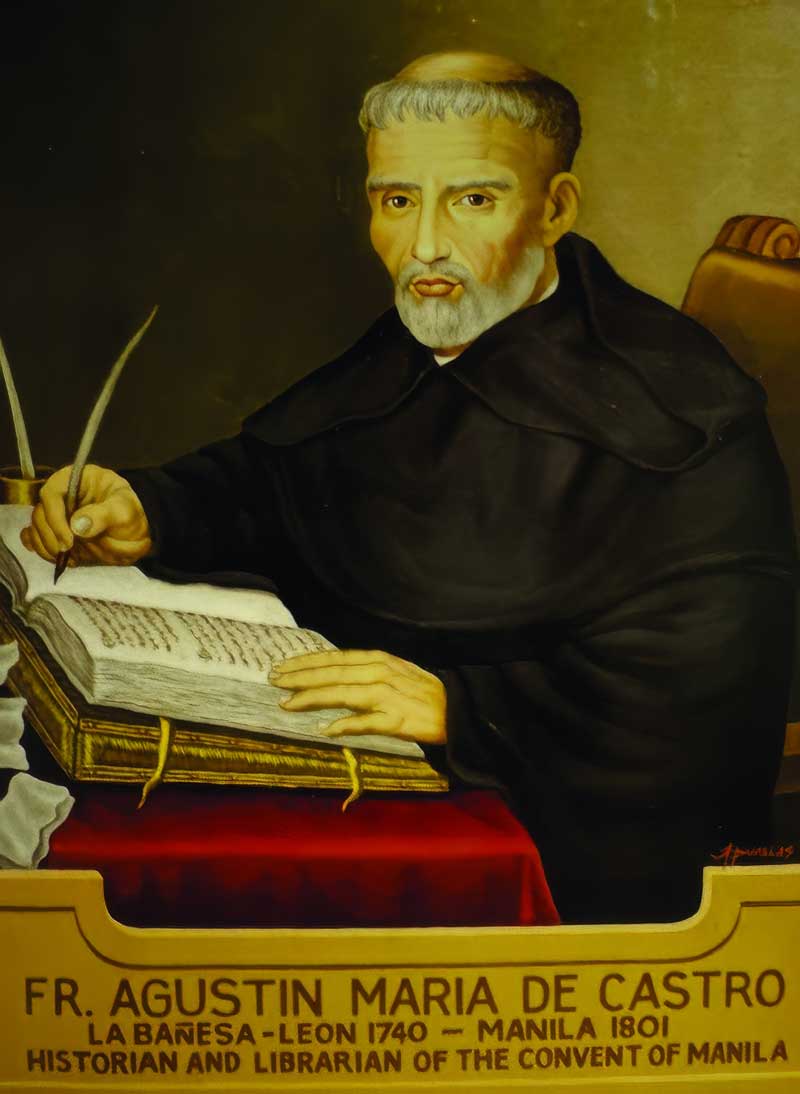
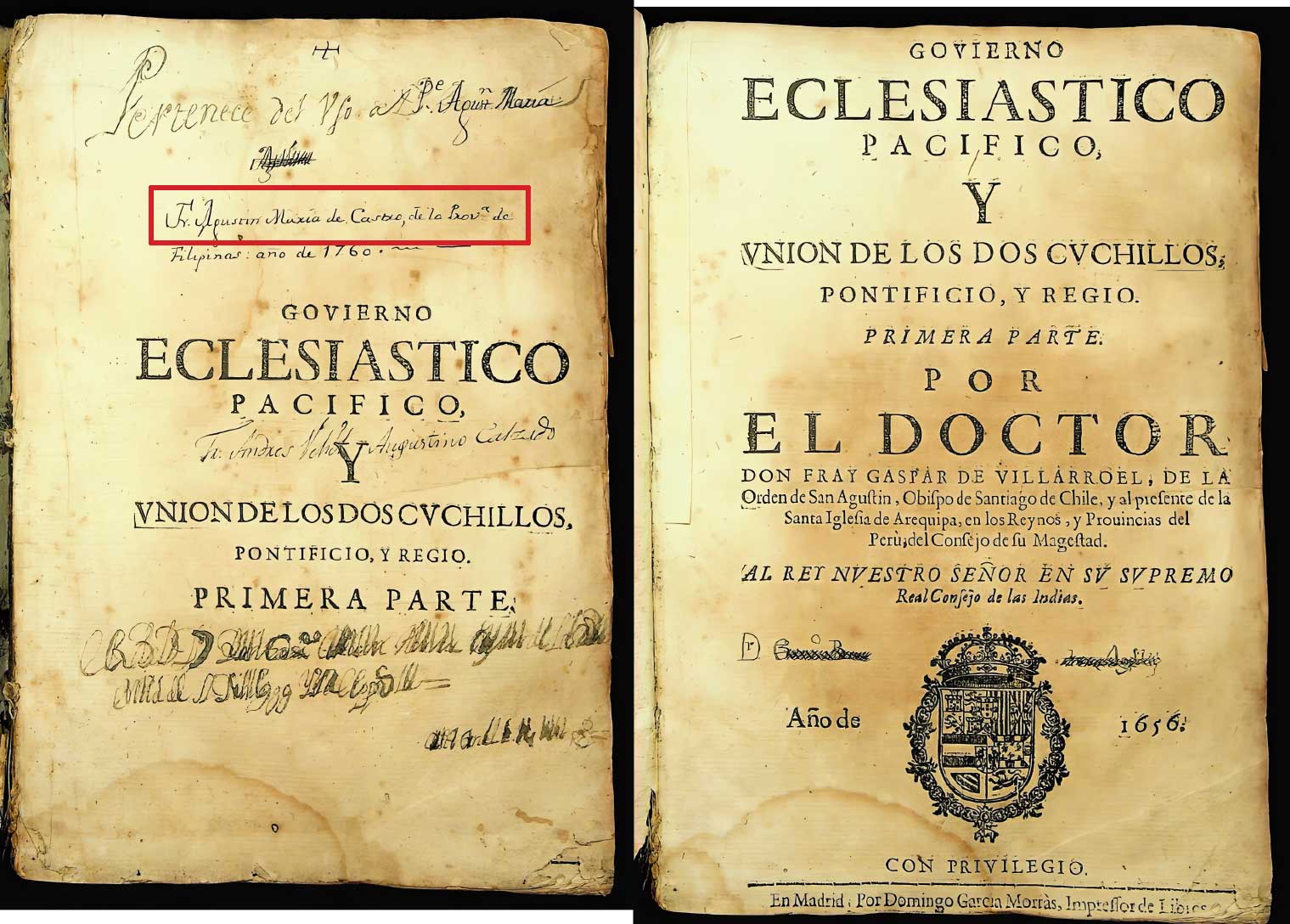
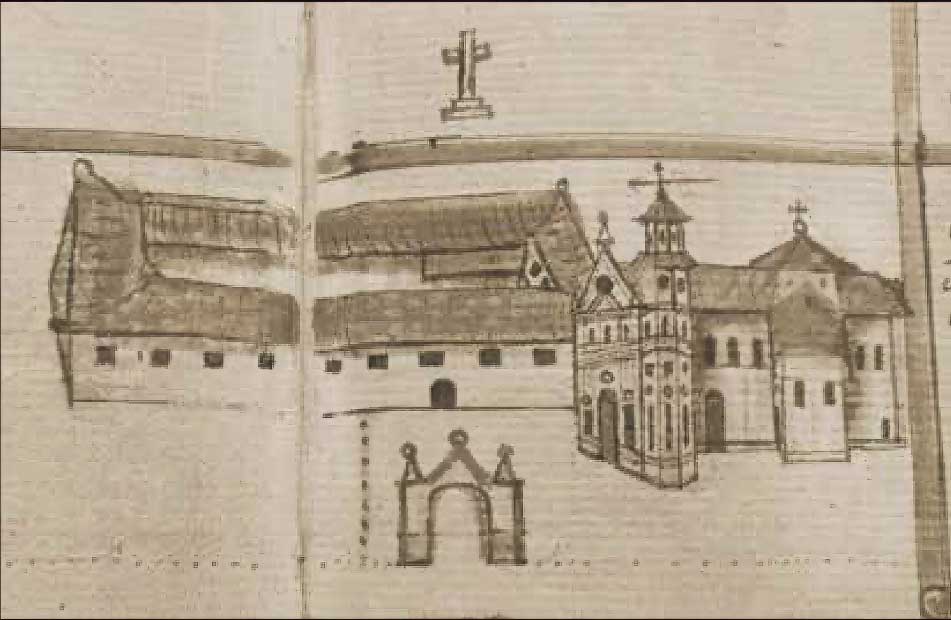
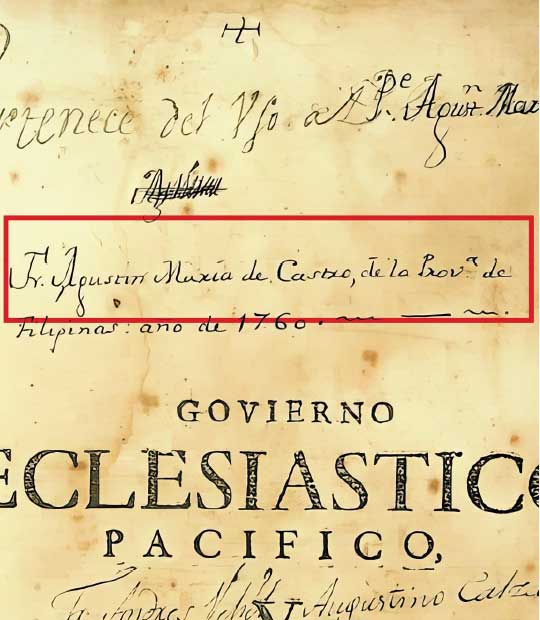 Librarian of the San Agustin Convent during the British occupation of Manila (1762–64), Fr. de Castro played a vital role in maintaining and cataloguing one of the most significant religious libraries in the Philippines. Known for his intellectual discipline and deep familiarity with the holdings of the Augustinian province, he was among the few friars whose name appears in surviving volumes from the period.
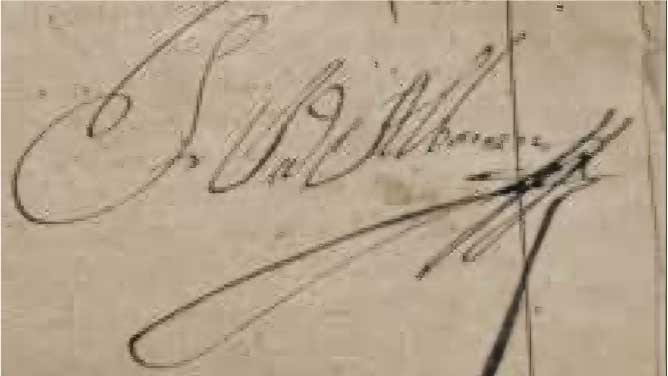
This book bears his rare handwritten signature, offering material evidence that some friars, including those charged with stewardship of the library, kept personal copies of theological works.
Dispatches from His Majesty to the President of the Audiencia of the Philippines, 1707–1713
This manuscript volume is made up of royal dispatches sent by the Spanish Crown to the “Presidente de la Audiencia de Filipinas” between 1707-1713. An index at the beginning summarizes its contents. It covers administrative directives, legal issues, and policy instructions. Spanning 797 folios, the volume contains copies of the royal orders, followed—significantly—by signed responses from both Spanish officials in the Philippines and local recipients, including indios and mestizos, who were directly impacted by the dispatches.

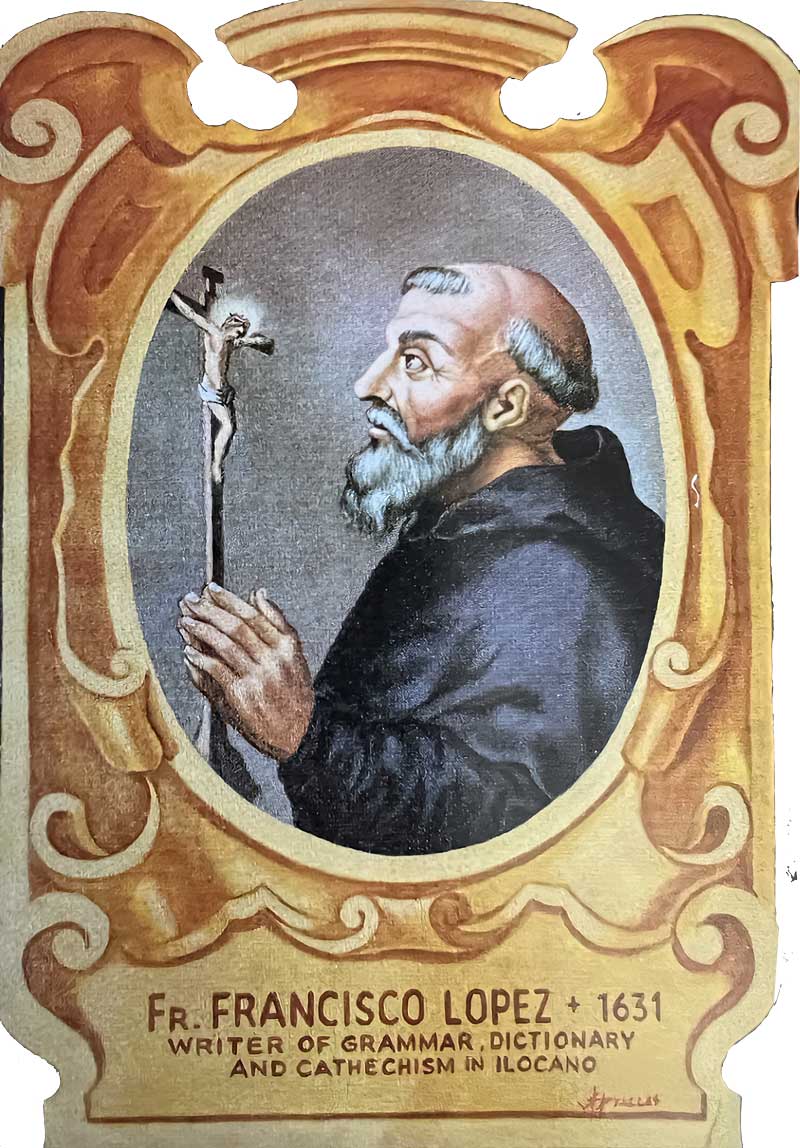 After printing his foundational grammar, The Art of the Ilocano Language in 1627, Father Francisco López, an Augustinian missionary assigned to the Ilocos region from 1599 onwards, began to put together the Bocabulario Yloco, a Spanish–Ilocano dictionary. However, his untimely death prevented him from completing the dictionary. This Bocabulario Yloco, in manuscript form, may well be this unfinished project. No printed copy of this appears to exist. Its relationship with the Vocabulario de la Lengua Ilocana and the Arte de la Lengua Ilocana is unclear.
López’s pioneering linguistic work laid the foundation for one of the most sustained missionary engagements with a Philippine language. His dictionary was eventually completed by Father Andrés Carro in 1794 and printed in 1849 as Vocabulario de la lengua ilocano, followed by a second edition in 1888.
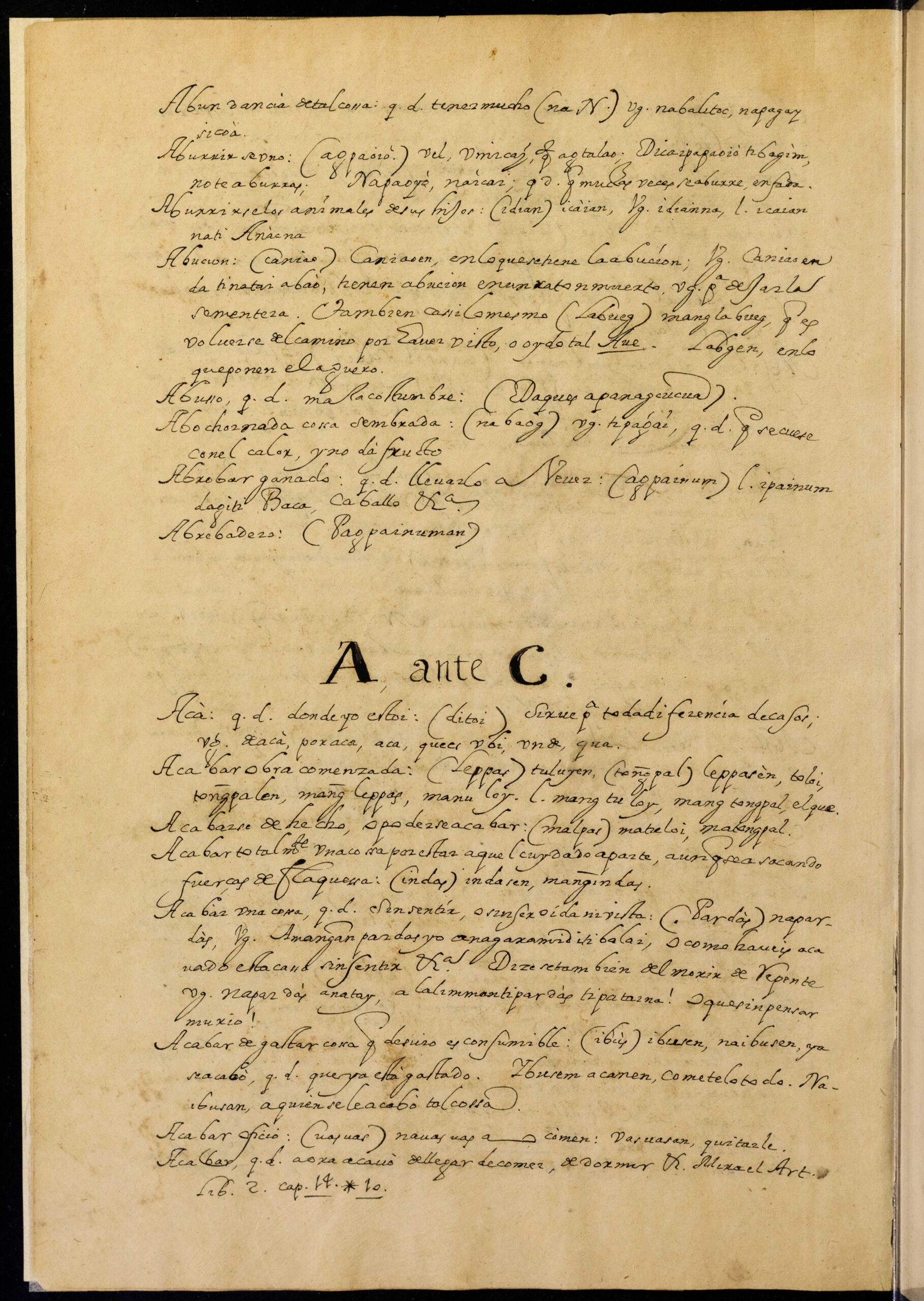
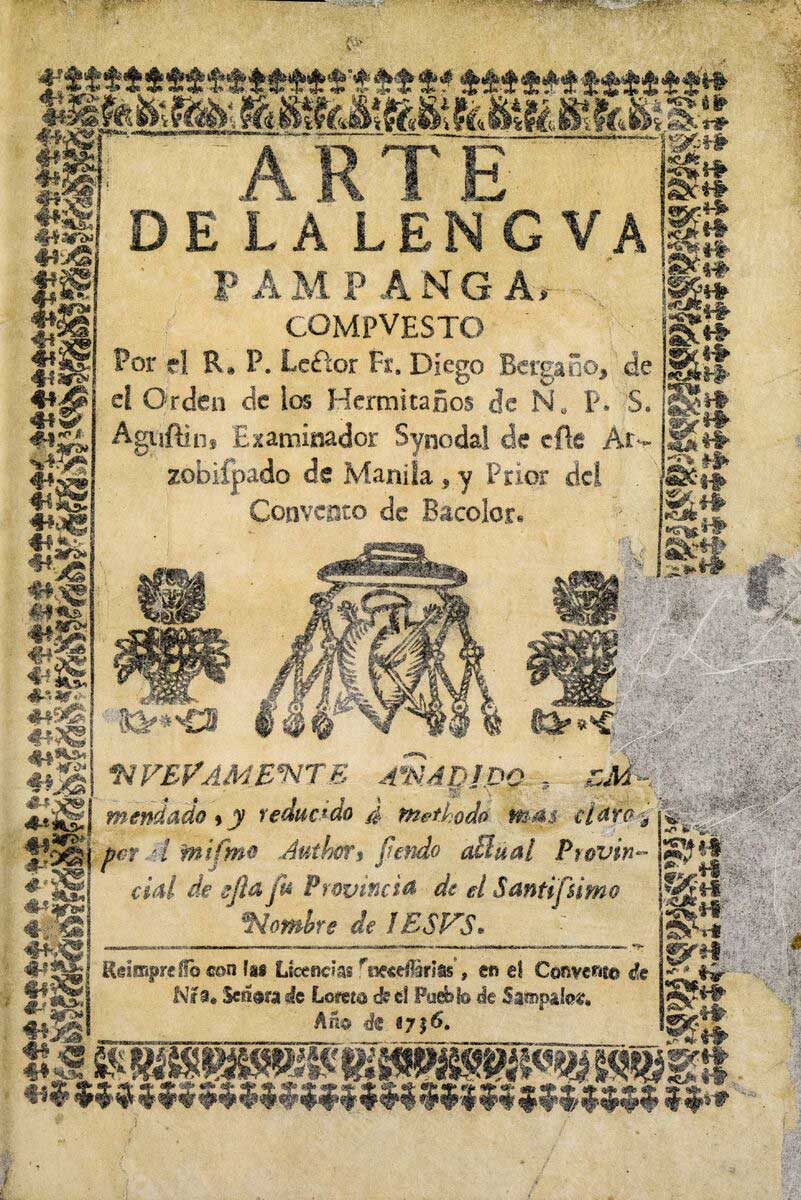 This manuscript appears to be the basis for the first printed edition of Arte de la lengua Pampanga, published by the Jesuit press in Manila in 1729. The earliest complete grammar of the Kapampangan language, the Arte was written by Fr. Diego Bergaño (1690–1747), who arrived in the Philippines in 1718. He began his study of Kapampangan while stationed in Intramuros and deepened his knowledge during his posting in the town of Mexico, Pampanga, in 1725. Bergaño completed a grammar so well crafted that it was reprinted in 1736 by the Franciscan press in Sampaloc. This rare 1736 edition is also part of the King’s College London collection and is now made available through the 1762 Archive Project.
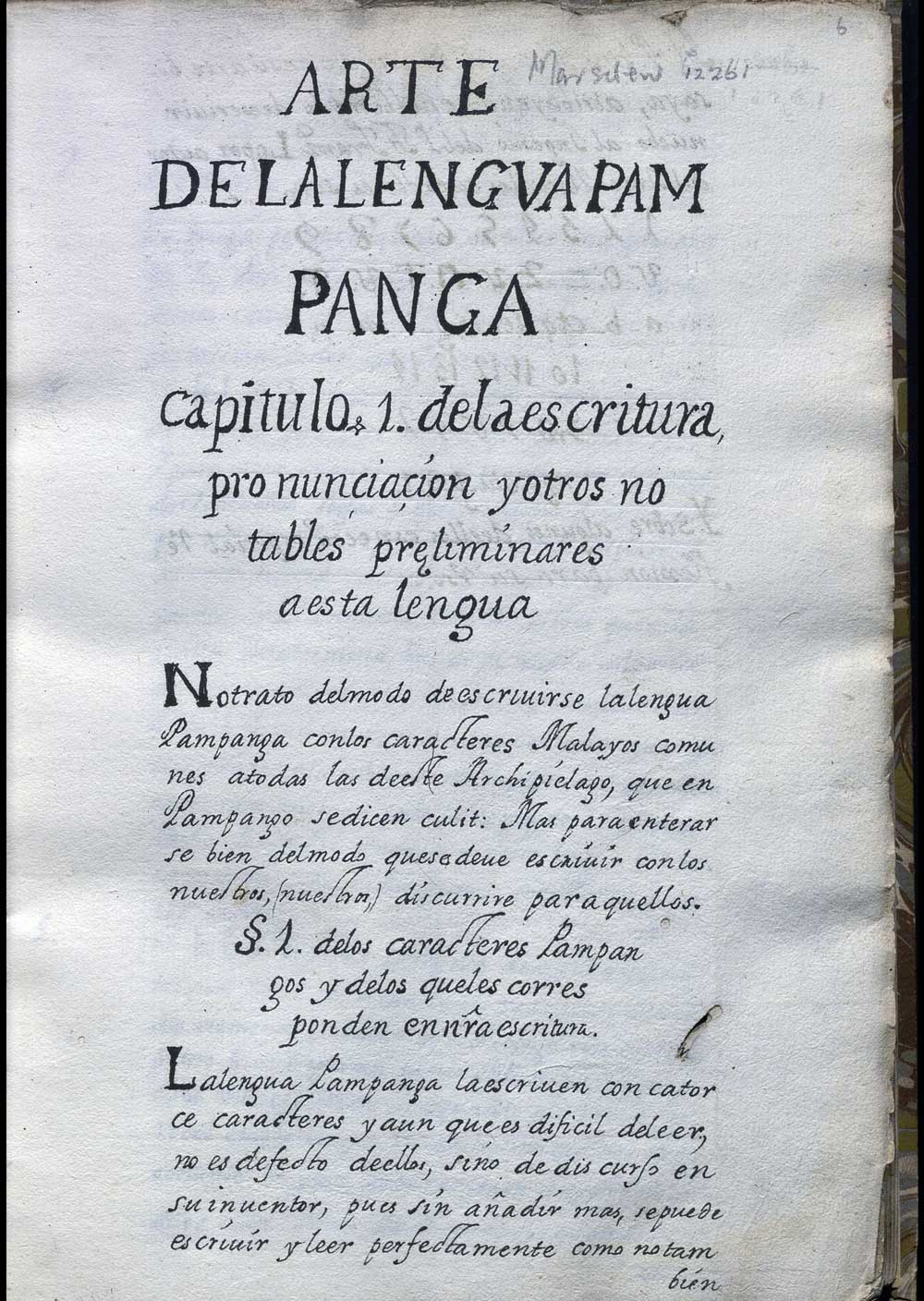
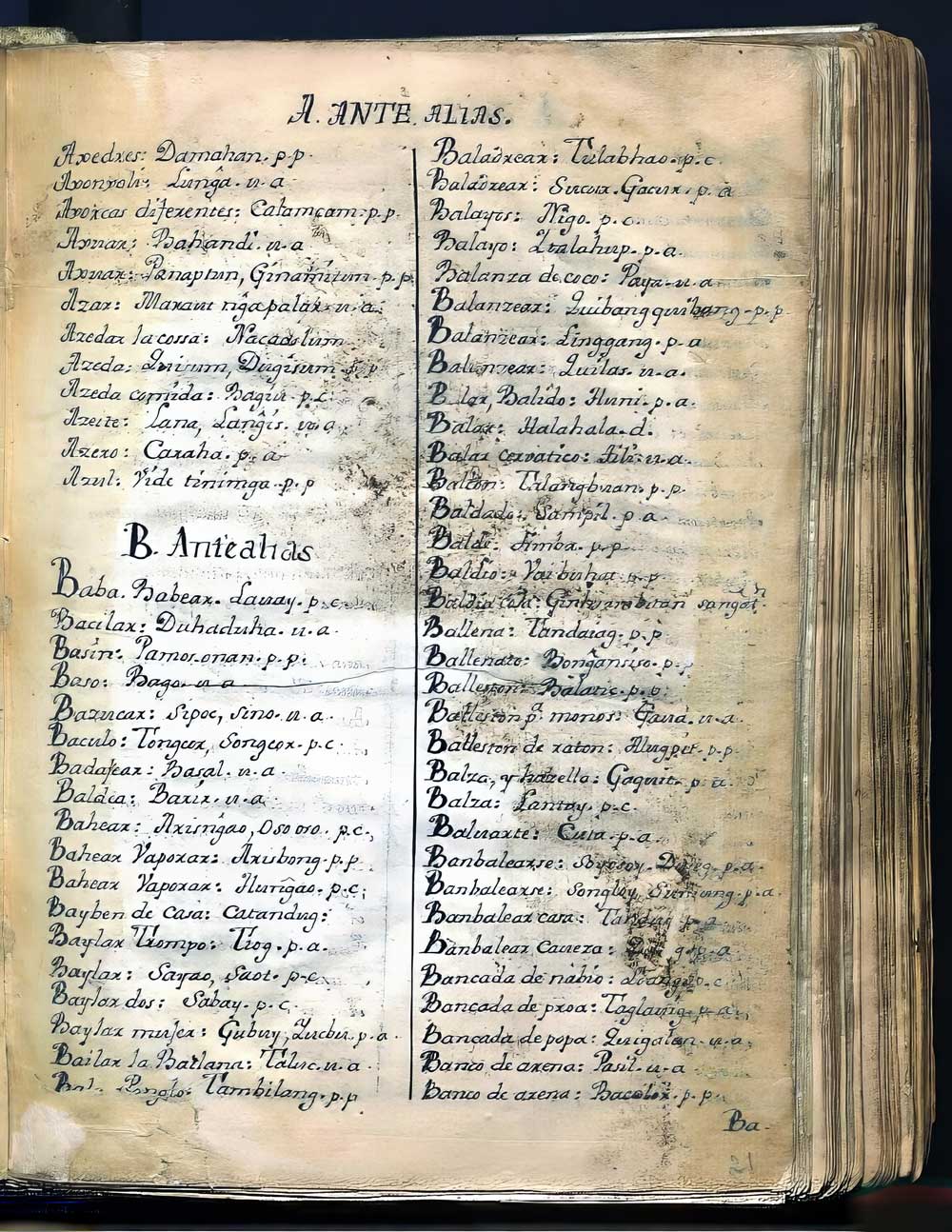
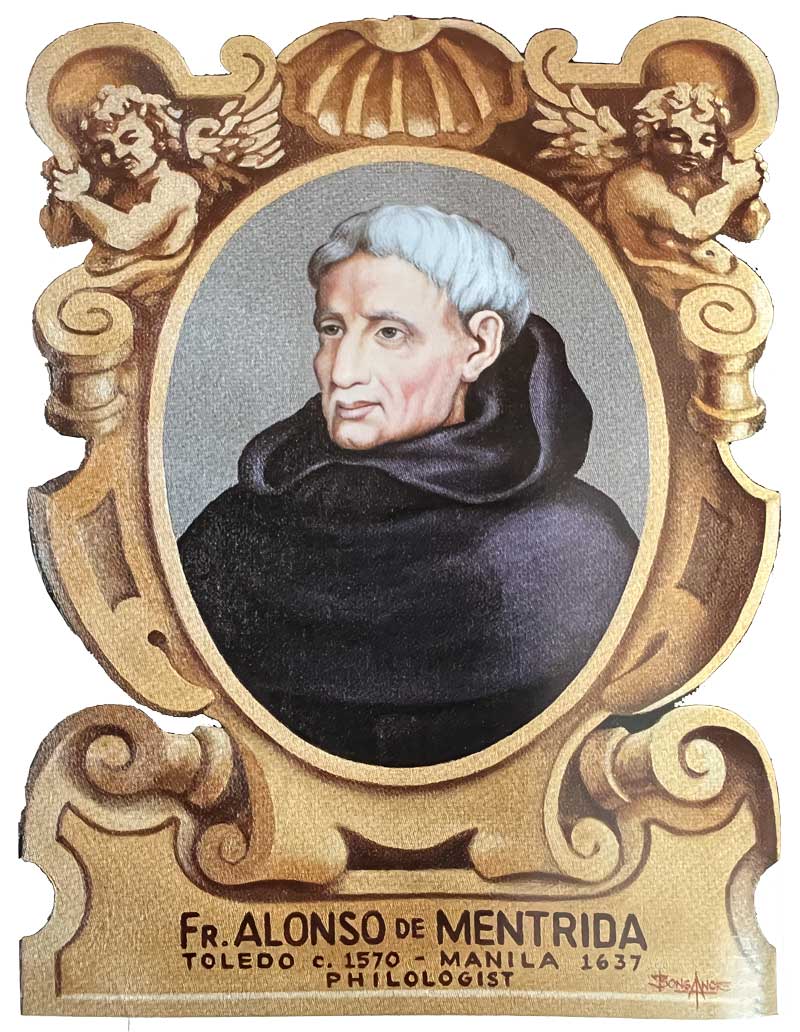 Fray Alonso de Méntrida, an Augustinian missionary based in Panay from 1607, dedicated over 23 years to studying Hiligaynon and Haraya (also known as Kinaray-a)—languages spoken across the Visayan Islands. His deep engagement with local languages led to the publication of the Arte de la lengua hiliguayna in 1628, one of the earliest grammars of a Philippine language. He later completed this Vocabulario, a bilingual Spanish–Hiligaynon and Haraya dictionary, which was printed posthumously in 1637 at the University of Santo Tomás in Manila. Father Martín Claver, himself fluent in the language and then parish priest of Panay (Capiz), supervised its publication and contributed corrections and additions. The manuscript may be a copy of the 1628 Manila edition, or it may be the very press-copy used for that edition.
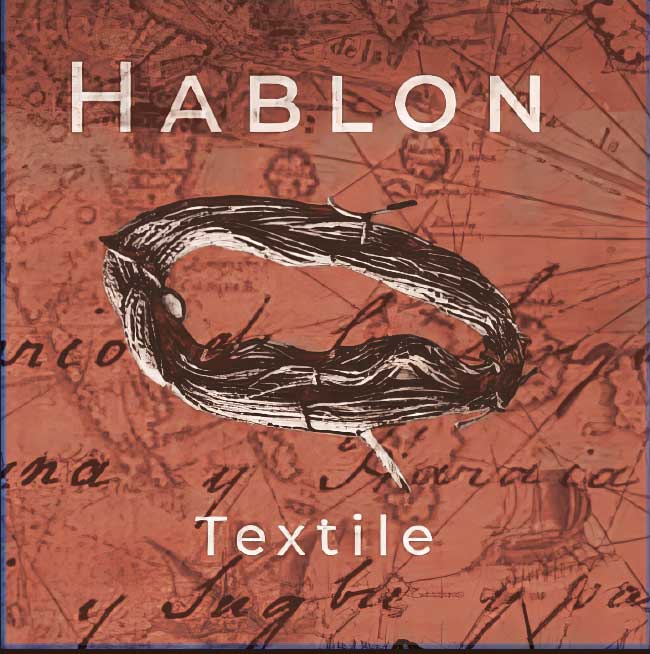 Mentrida records several words that relate to weaving fibres into either blankets HABUL or SAYAS (skirts). The Spanish word for weaver (tejedora) is used in relation to the act of weaving as in “having someone weave for you” in NAGPAHABUL. Various actions connected to the act of weaving are recorded using their native terms : SICAR – a foot movement while weaving to help keep the fabric tight, or even DAMO, which is to soak the fingers while weaving. LOSO is a specific term for “leaving the loom with the weaver.” Implements include a PURAN which is a “tabilla en que estriva la tejedora” and a BOSALI is a “lanzadera de telar.” (loom shuttle).
 Mentrida records the Visayan term for “fierro” or iron as PUTHAO or its variant spelling POTHAO. He specifies that this is “fierro por labran” or iron for working. Some scholars have pointed out the Chinese origin of this native term. Mentrida also includes the use of the term for “soil with iron content” as in “puthaonon na duta.” Other uses of the word in Mentrida’s lexicon seem more metaphorical – for example that of a person with iron content (puthaonon nga tao). Aside from Puthao, there are various terms recorded for bladed weapons that would have had some iron content. CAMPILAN for example is recorded as a term already in use in the Visayas from the time Mentrida assembled the lexicon. ( ca 1628)
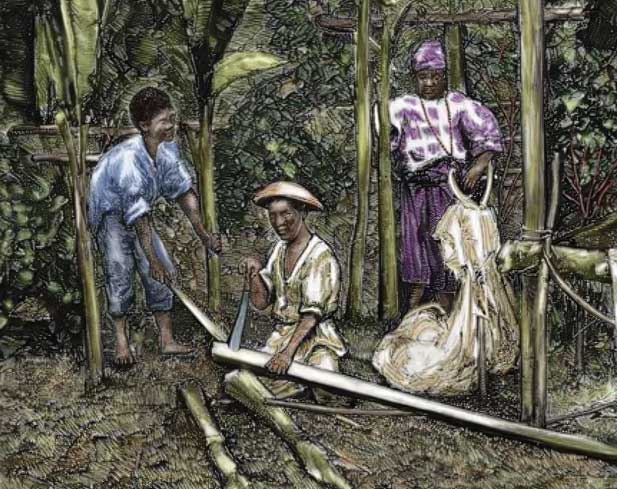
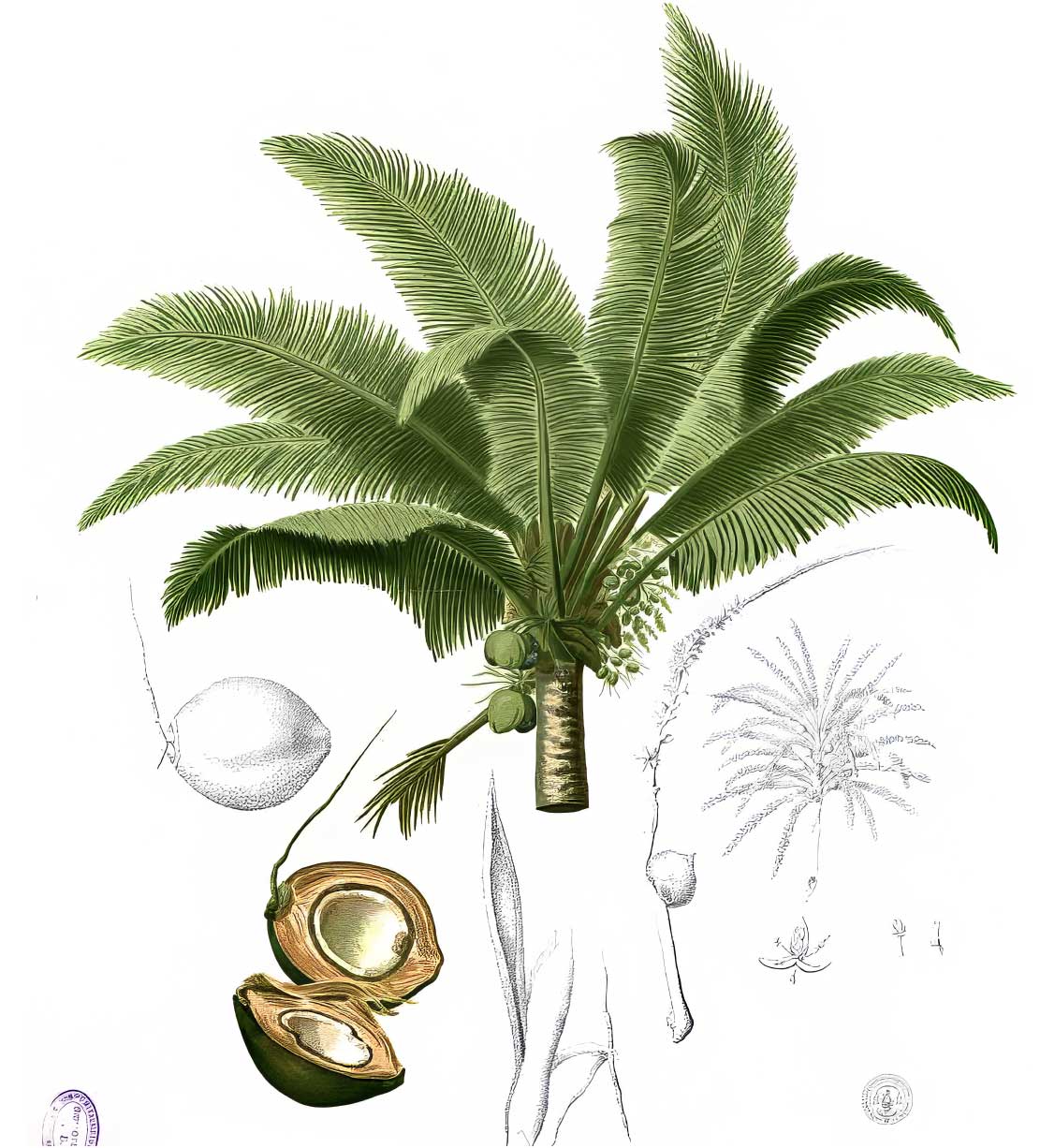
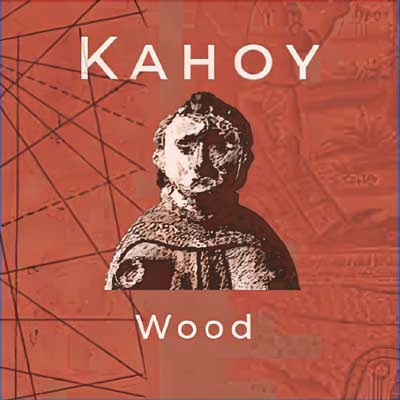 Spelt CAHOY in Mentridas’s 1628 lexicon, the word was meant to signify “madera” or wood in general, or log of wood used for sculpting ( “esculpe”). The lexicon also identifies wood for making houses, and wood used for burning. In explaining the native word LILOC, Mentrida includes several ways this included working with wood: when the “Indios” or natives would write or engrave their letters on wood, especially on bamboo; or when someone “esculpe como madero o tabla o en que se pinta como lienzo o tabla.”
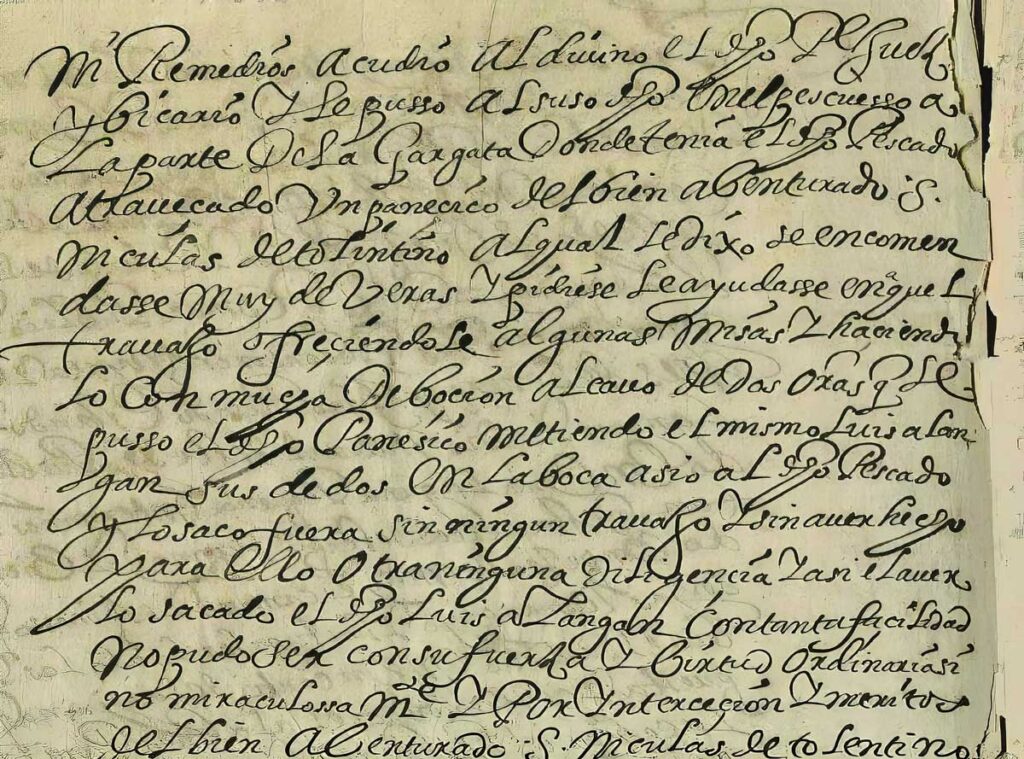
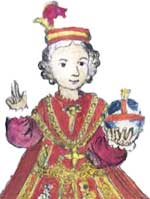
The Theft of the Golden Cross of the Santo Niño
An India and Esclavo at the crossroads between communities
Distance, Disorder, Archives, and Enslavement
Pasay 1732. The file’s first leaf entitles it “In which the children of Mestizos should become monacillos [sacristans]
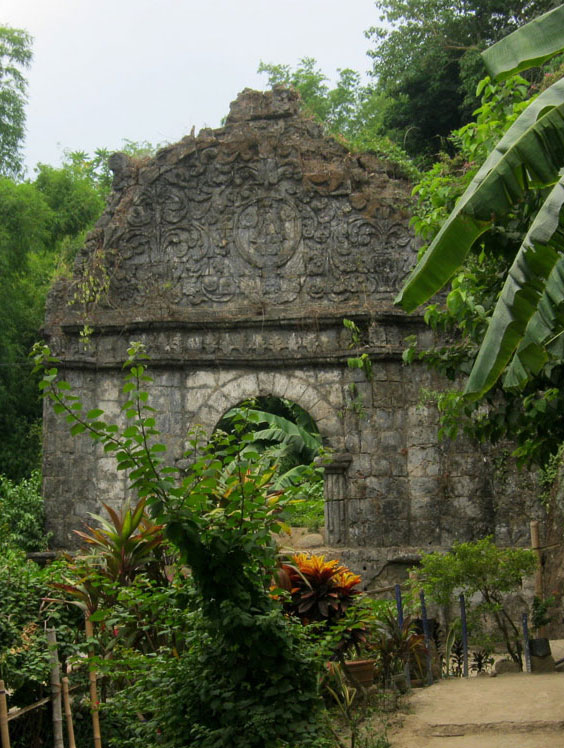
Race, Massacre, and Resurrection in Caysasay
The case at hand is an ecclesiastical investigation that validated a miracle performed by Our Lady of Caysasay, an image of the Immaculate Conception located in Caysasay, near Taal, not far from Manila.
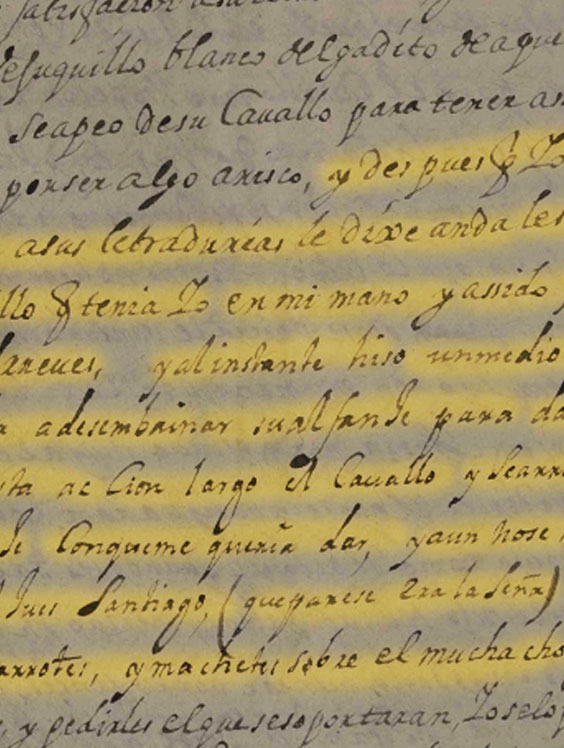
Upheaval and Indigenous Resistance in Dongalo
In May of 1717, a physical skirmish broke out in Dongallo, a town just south of Manila between a group of local principales and Augustinian officials over where the line between their property really was
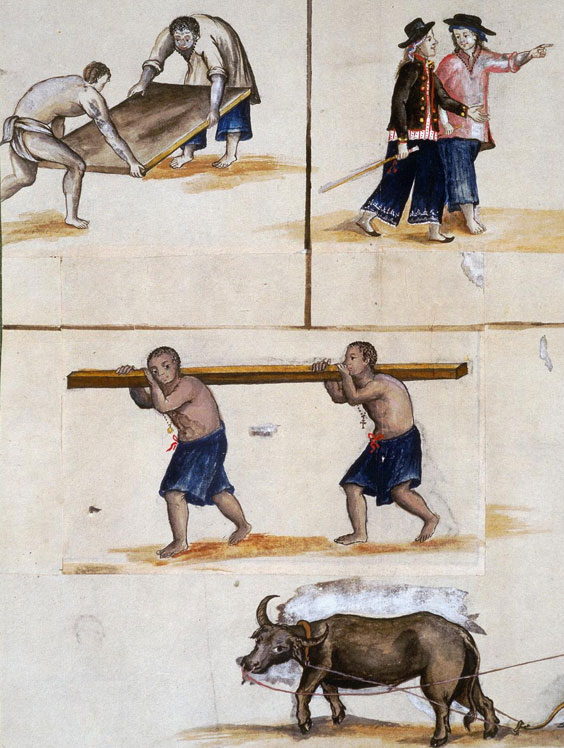
Power, Property, and Enslavement
What does a close read of a slave's deed of sale tell us?
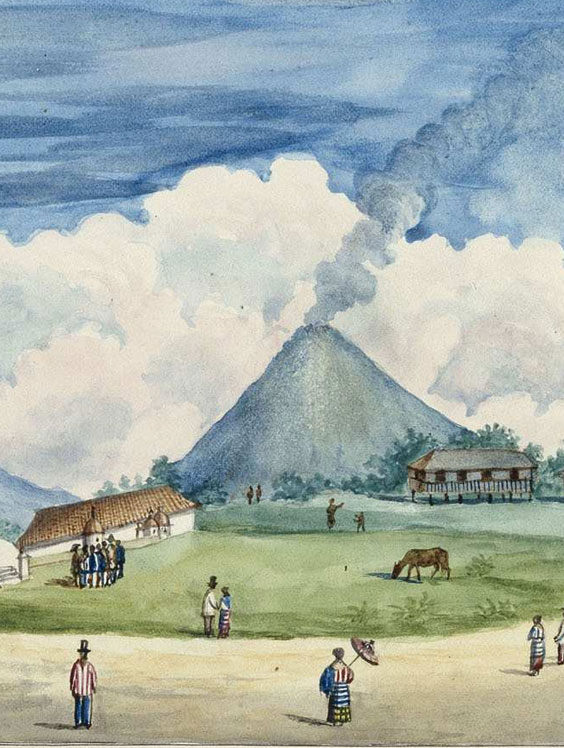
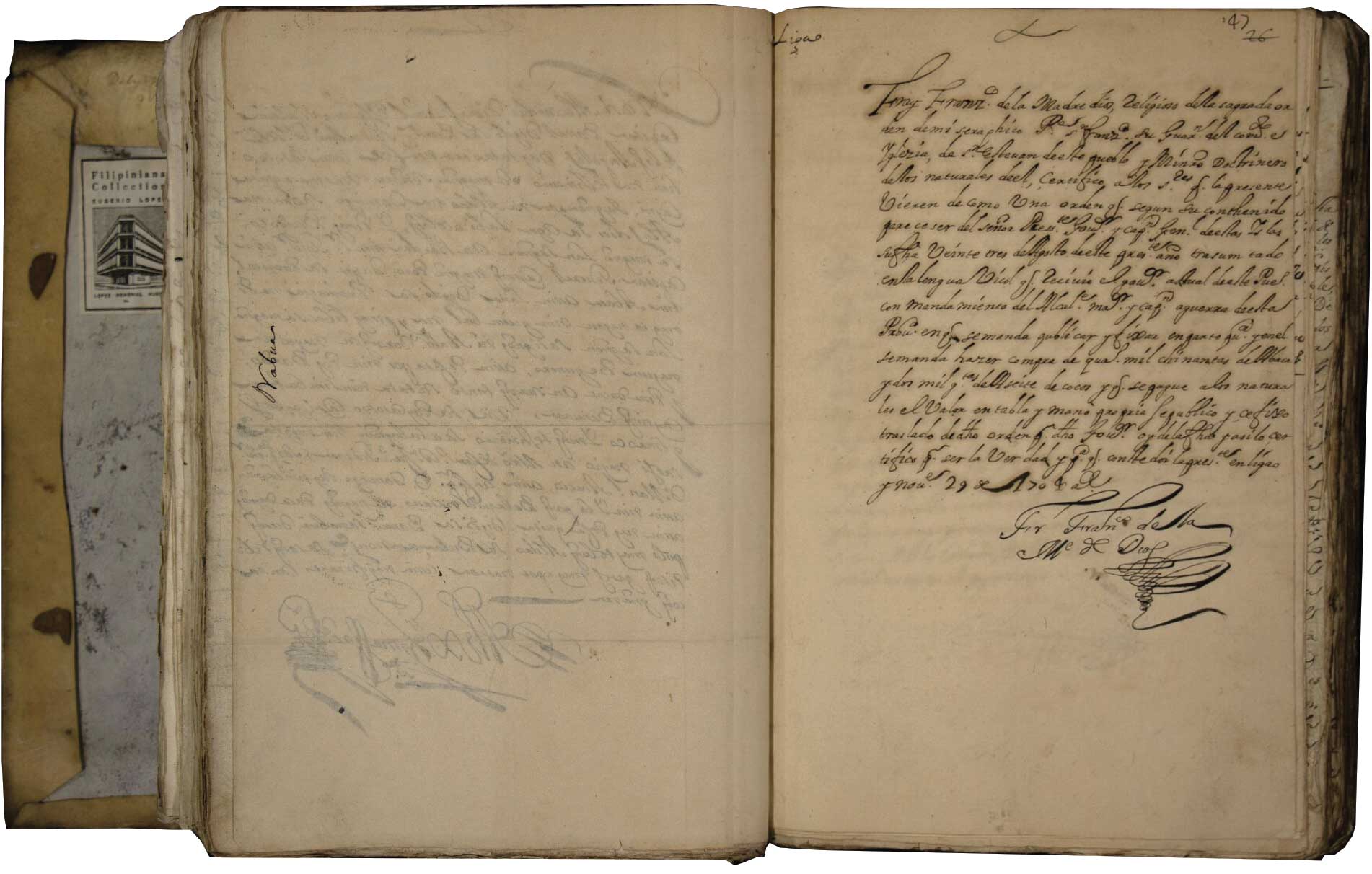
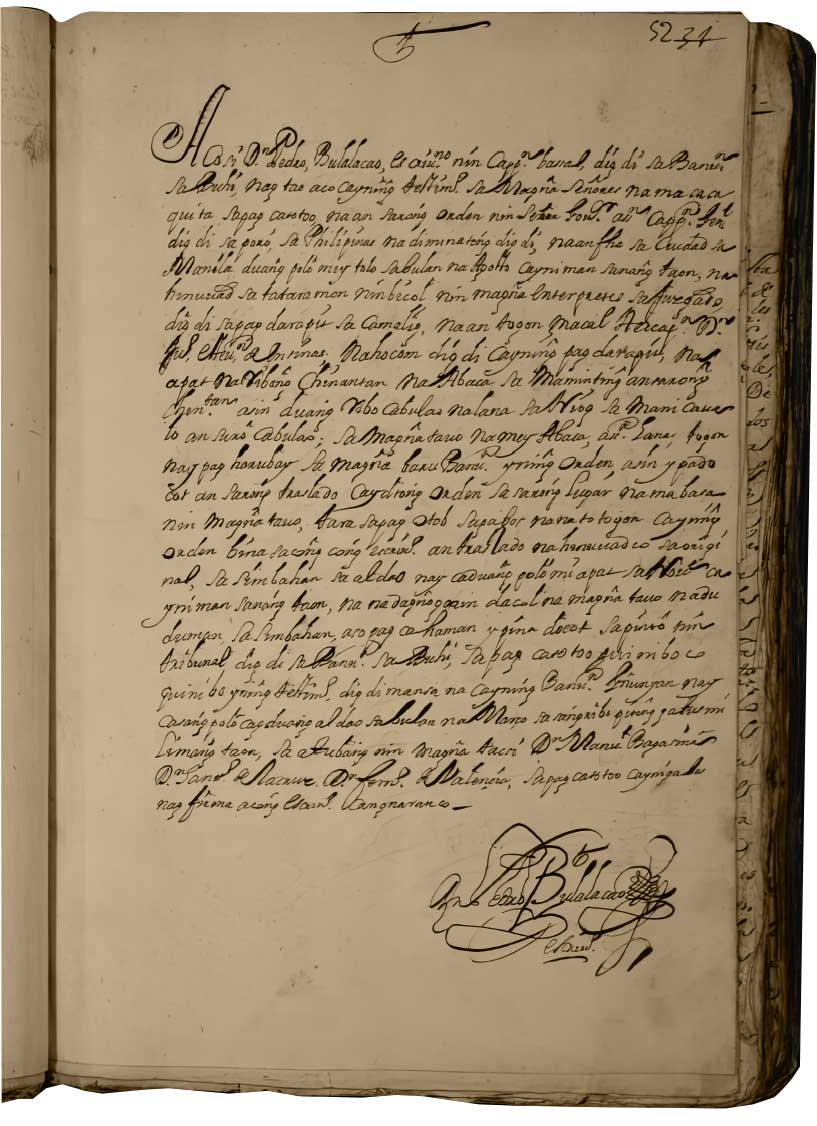
Harvested by Decree
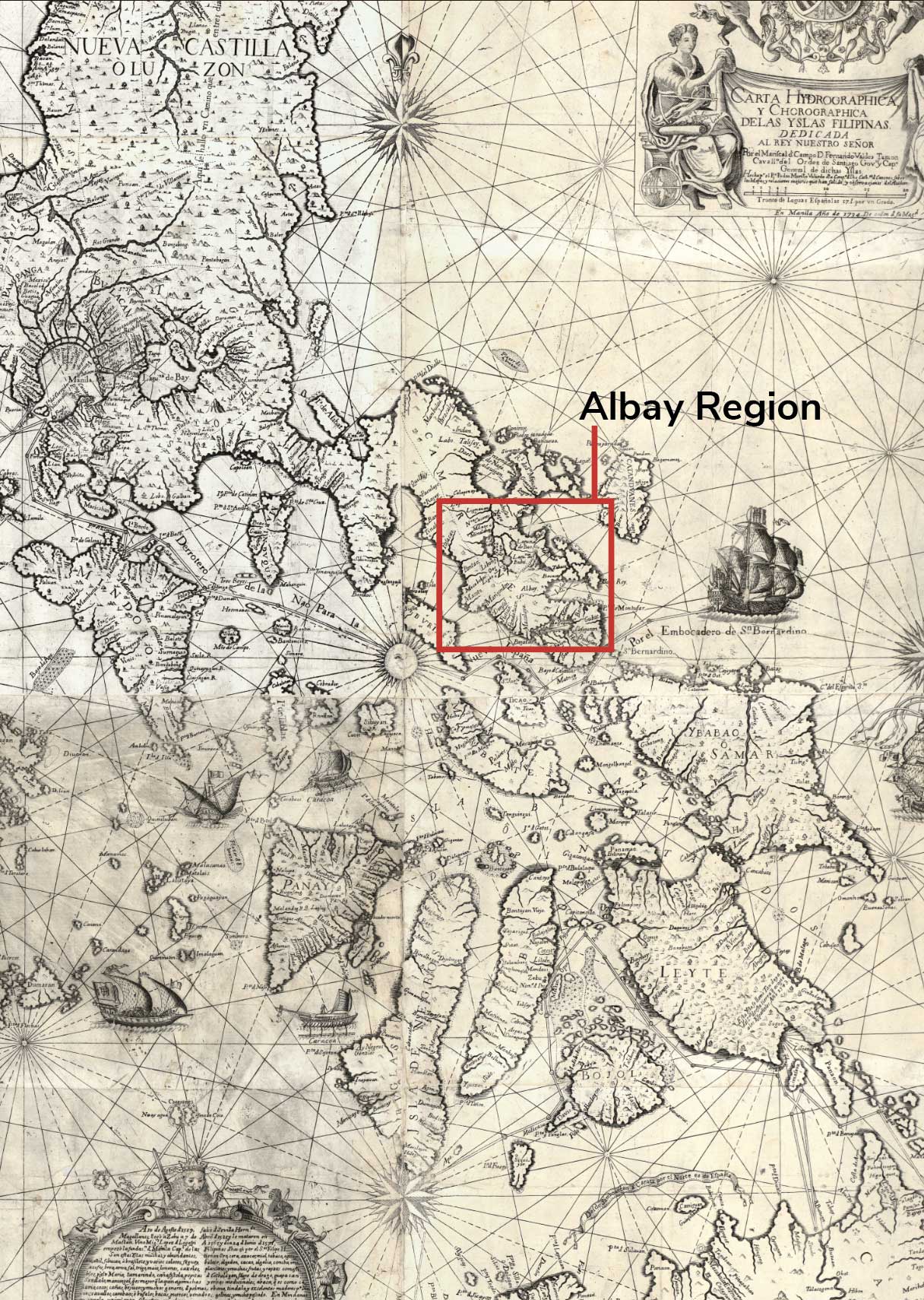
The real compra bandala in the Bikol region
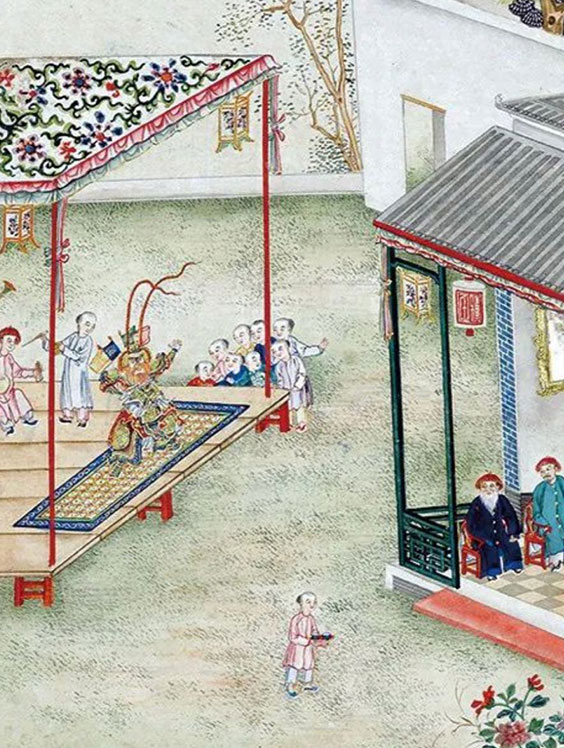
Objects of Evangelism
This inventory offers insights into the types of objects valued by Europeans in China—ranging from white silk coats and mosquito screens to Tibetan Buddhist texts.
Lexicons and Rules
The project began with Philippine language books at King’s College